Review technical and maintenance records
The RLA begins with document review, inspection-history review, and validation of the installed valve data against applicable code references.
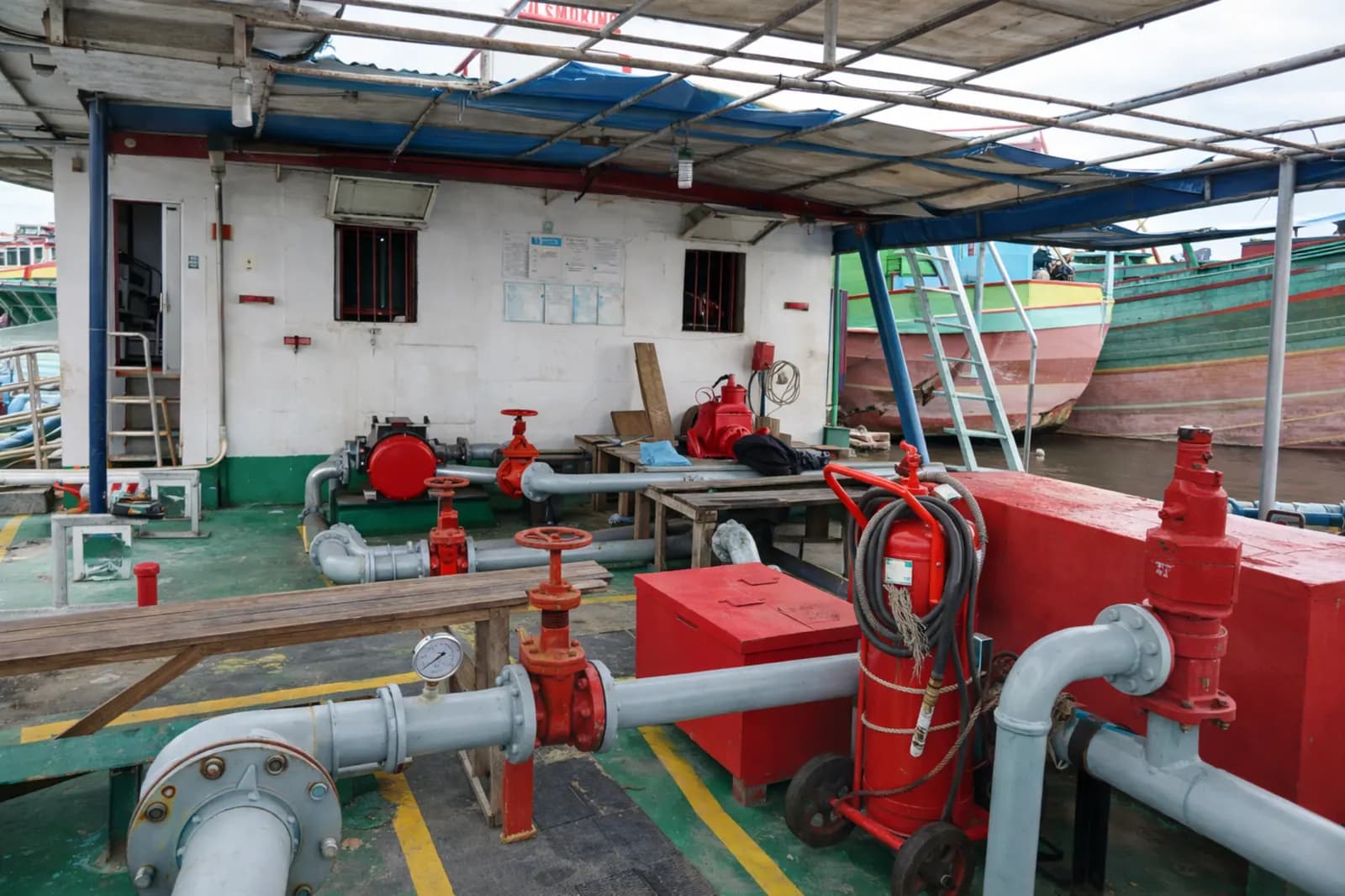
A residual life assessment for a safety valve protecting an LPG storage system, focused on operating suitability, failure modes, and recommended inspection planning.
This project evaluated the continuing serviceability of PSV-T-01 as a protective device on an LPG storage tank system. The review covered equipment identity and parameters, likely failure modes, inspection planning, residual life framing, and risk-based operating recommendations.
The RLA begins with document review, inspection-history review, and validation of the installed valve data against applicable code references.
The work combines mechanism screening, fitness-for-service logic, and remaining-life evaluation using design and inspection information.
The report also converts the RLA outcome into risk framing plus recommended inspection method and interval for future operation.
The client required a clear life-extension basis for a critical protection device, where the assessment had to balance mechanical integrity, operating set points, and realistic failure scenarios.
We translated inspection data and operating parameters into a concise residual-life basis supported by failure-mode review, inspection planning, and operating guidance for continued service.
The valve is reported with 27750 SCFM capacity against a required 17361 SCFM, which strengthens the case for continued serviceability.
The document structure includes mechanism review, inspection planning, remaining-life calculation, POF/COF logic, and risk-result framing.