Review historical and technical records
The generator RLA starts from available equipment records, maintenance context, and technical references used to understand the installed machine.
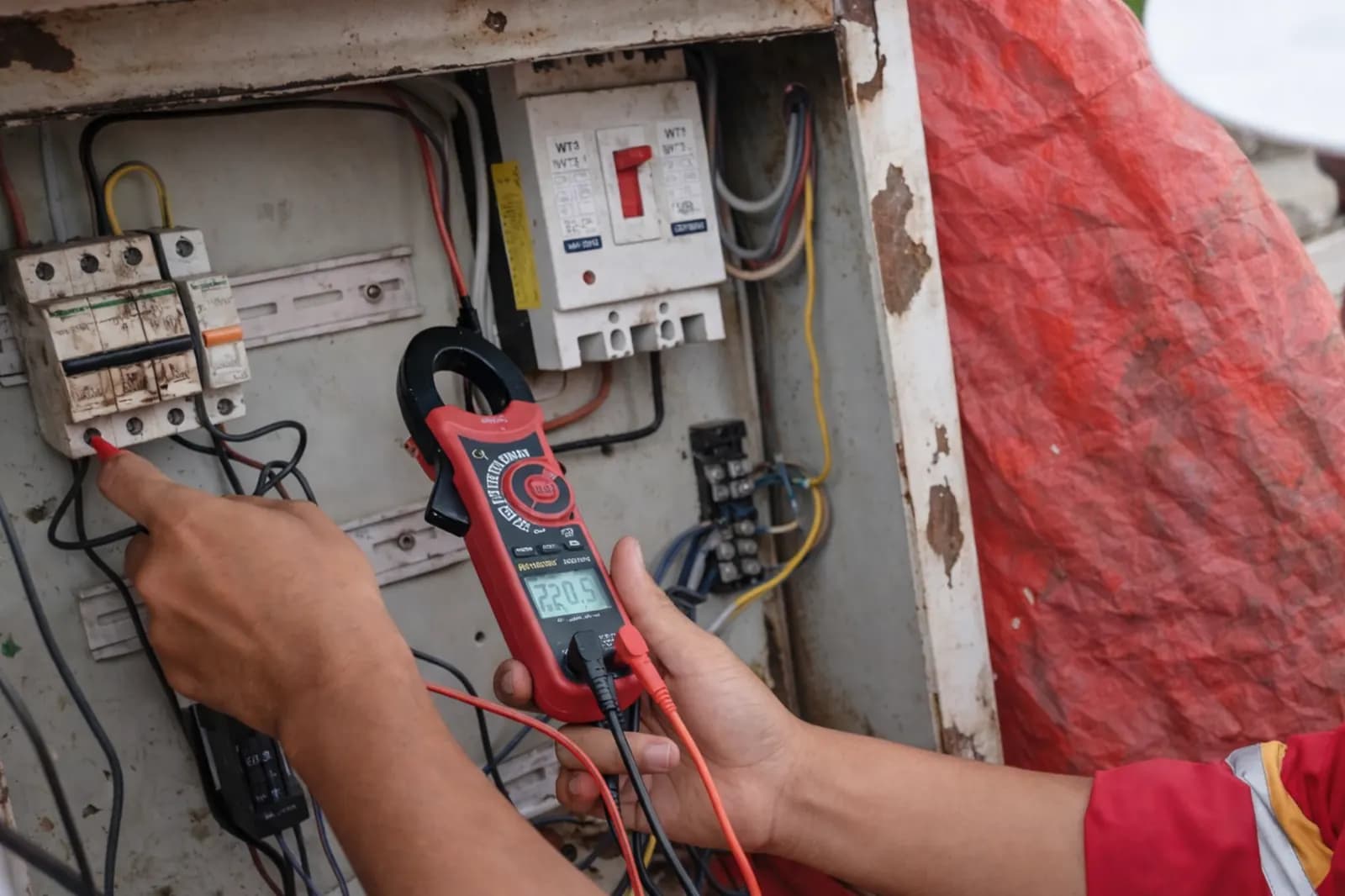
An electrical integrity and residual life review for a power generator, focused on field measurements, protection systems, and inspection planning.
This project assessed the continuing suitability of Power Generator G-01 through operating data capture, visual and functional review, electrical safety references, and maintenance-oriented inspection planning. The output was intended to strengthen reliability and operational assurance for an active generator asset.
The generator RLA starts from available equipment records, maintenance context, and technical references used to understand the installed machine.
Vibration, temperature, RPM, grounding, and other field measurements are used to move the assessment away from age-only assumptions.
The remaining-life conclusion is supported by reliability logic, damage-mode framing, and an inspection plan for safer continued service.
The client needed a service-life basis that considered not only equipment age, but also actual measured condition, protective systems, housekeeping, grounding, and recurring maintenance expectations.
We translated field measurements and equipment data into a clearer residual-life position supported by interval-based inspection recommendations and practical reliability guidance for ongoing operation.
The field-evaluation section states the operating parameters were stable overall, with noise level being the main condition that still requires attention from operators.
Grounding checks, visual cleaning, relay tests, certification, and thermographic inspection are all presented as concrete follow-up activities.
Measure the grounding system every 3 months.
Carry out weekly visual cleaning and area checks to keep the generator free from dust buildup.
Perform protective relay functional tests every year.
Run thermographic inspection when overheating indication is present or suspected.